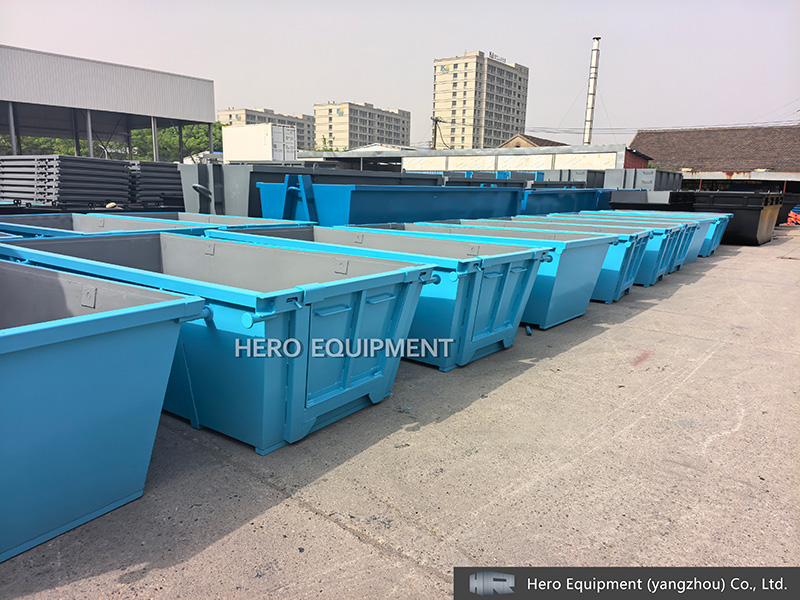
The Comprehensive Guide to Waste Skip Bins: Materials, Uses, and Environmental Impact
Waste skip bins have become an indispensable part of modern waste management systems across residential, commercial, and industrial sectors worldwide. These large containers provide efficient solutions for temporary waste storage and transportation, playing a crucial role in maintaining clean environments while supporting recycling efforts. This comprehensive guide explores the fundamental aspects of waste skip bins, with particular focus on their construction materials, diverse applications, and the engineering considerations that make them suitable for various waste management scenarios.
Introduction to Skip Bins
Skip bins are large, open-topped waste containers designed for loading onto special trucks that can lift and transport them to disposal or recycling facilities. Unlike regular trash cans, skip bins are built to handle substantial volumes and weights of diverse waste materials, from household clutter to heavy construction debris. Their design origins trace back to the early 20th century when urbanization and industrialization created demand for more efficient waste collection methods.
The modern skip bin represents a perfect marriage of functionality and durability, engineered to withstand harsh conditions while providing convenient waste management solutions. These containers come in standardized sizes typically measured in cubic meters (m³), ranging from compact 2m³ units for residential use to massive 14m³ industrial versions. Their universal adoption across industries stems from their remarkable versatility - the same basic design can serve homeowners during renovations, construction crews at demolition sites, and municipal workers during community cleanups.
Beyond their physical characteristics, skip bins embody an important environmental function by facilitating proper waste segregation and recycling. Many modern skip bin services prioritize eco-friendly disposal methods, diverting substantial amounts of waste from landfills through material recovery and processing. This environmental consideration, combined with their practical benefits, has solidified skip bins' position as a cornerstone of responsible waste management systems globally.
Primary Materials Used in Skip Bin Construction
The durability and functionality of skip bins depend fundamentally on their construction materials. Manufacturers select these materials carefully to ensure the containers can withstand heavy loads, resist environmental degradation, and endure the rough handling inherent in waste management operations. The choice of materials also determines a skip bin's suitability for specific applications and environments.
Steel: The Backbone of Skip Bin Construction
Mild steel forms the foundation of most skip bins due to its exceptional strength-to-cost ratio. In China and many other manufacturing hubs, two specific grades dominate production: Q235 and Q345. These Chinese steel standards roughly correspond to international grade 250 and grade 350 classifications respectively, indicating their yield strength in megapascals (MPa). Q235 steel, with its 235 MPa yield strength, offers reliable performance for standard skip bins handling typical municipal and construction waste. For more demanding applications involving heavier loads or harsh conditions, manufacturers often upgrade to Q345 steel, which provides approximately 50% greater yield strength.
The steel plates used in skip bin construction follow carefully engineered thickness specifications to optimize durability without unnecessary weight. Standard designs typically employ 3mm thick mild steel plates for the side walls and 4mm plates for the floor, where wear and impact are most severe. Manufacturers can increase these thicknesses up to 5mm or 6mm for bins destined for extreme-duty applications such as mining operations or heavy industrial waste. This flexible approach to material thickness allows customization based on projected usage scenarios and expected waste types.
Advanced manufacturing techniques further enhance the steel's performance and longevity. Most quality skip bins feature continuous welding both inside and outside to prevent seam failures and moisture penetration. Additional structural reinforcements typically include:
RHS (Rectangular Hollow Section) 100504mm top rails for rigidity
One-piece forged lifting lugs capable of withstanding dynamic loads during transport
8mm or 10mm flat bars welded along the sides for impact resistance
Crossmembers beneath the floor for added structural support
Protective Coatings and Finishes
While steel provides excellent structural properties, it requires protection against corrosion—a significant concern in waste containers constantly exposed to moisture and chemical agents. Skip bin manufacturers employ sophisticated coating systems to ensure long-term durability in diverse environments.
The standard protective system consists of a two-layer zinc-based epoxy primer (typically gray) followed by two layers of urethane top coat in colors specified by the customer. This four-coat system creates a robust barrier against rust while allowing corporate branding through customized color schemes. Some manufacturers offer alternative finishing options like hot-dip galvanization for bins destined for marine environments or other highly corrosive conditions.
Drainage represents another critical design consideration incorporated into the material specifications. Quality skip bins include four drainage holes positioned near the corners to prevent liquid accumulation that could accelerate corrosion or create handling hazards. These features collectively ensure that steel skip bins maintain their structural integrity and appearance through years of demanding service.
Alternative Materials and Specialized Designs
While steel dominates the skip bin market, alternative materials have emerged for specific applications. Stainless steel skip bins cater to specialized industries like food processing or medical waste management where corrosion resistance and ease of cleaning take priority over pure strength. These premium bins command higher prices but offer extended service life in challenging environments.
At the other end of the spectrum, innovative flexible skip bags made from woven polypropylene (PP) have emerged as lightweight alternatives for certain applications. These collapsible containers, capable of holding 1-3 cubic meters with load capacities up to 600kg, provide convenient solutions for residential cleanups and small-scale projects where traditional steel skips would be impractical or cost-prohibitive. While lacking the durability of steel bins, these PP skip bags offer advantages in storage, transportation, and situations requiring temporary waste containment solutions.
Diverse Applications of Skip Bins
The versatility of skip bins becomes apparent when examining their wide-ranging applications across different sectors. From modest home renovations to massive infrastructure projects, these containers adapt to various waste management needs while maintaining consistent operational principles. This adaptability stems from thoughtful design variations that tailor the basic skip bin concept to specific usage scenarios.
Construction and Demolition Waste Management
Construction sites generate some of the most challenging waste streams, combining heavy materials like concrete and bricks with potentially hazardous substances like asbestos (which requires specialized handling). Skip bins designed for construction applications feature reinforced structures, thicker steel plates (often 5-6mm), and specialized features like barrow doors for easy access.
The self-dumping skip bin variant represents a notable innovation for construction applications. These bins incorporate a unique pivoting mechanism that allows "hands-free" dumping when lifted by a crane or forklift, eliminating the need for workers to manually release loads. This design significantly enhances job site safety while improving operational efficiency. Engineered to meet or exceed OSHA and ASME safety standards, these specialized bins demonstrate how skip bin technology continues evolving to meet industry needs.
Residential and Municipal Waste Solutions
At the other end of the scale, residential skip bins provide homeowners and small businesses with convenient solutions for periodic waste disposal needs. These smaller bins (typically 2-8m³) handle everything from spring cleaning debris to renovation waste while complying with municipal regulations regarding placement and content restrictions.
Municipalities increasingly utilize skip bins as part of community cleanup initiatives and public space maintenance programs. The bins' standardized designs and compatibility with specialized collection vehicles make them ideal for these applications. Furthermore, their prominent branding surfaces serve as mobile billboards for public education campaigns about waste reduction and recycling.
Industrial and Specialized Waste Handling
Manufacturing facilities, processing plants, and other industrial operations generate waste streams that often require specialized containment solutions. Skip bins adapted for industrial use may include features like:
Heavy-duty casters for maneuverability in plant environments
Secure lids to contain light materials or prevent unauthorized access
Forklift channels for flexible positioning
Internal liners for hazardous material containment
The mining sector relies on extra-heavy-duty skip bins capable of handling abrasive materials and extreme loads. These bins often incorporate wear-resistant steels and additional reinforcement to withstand the punishing conditions characteristic of mining operations.
Environmental Considerations and Sustainable Practices
The environmental impact of waste management has become a pressing global concern, positioning skip bins as important tools in sustainable materials handling. Modern skip bin systems incorporate several features and practices that contribute to reduced ecological footprints compared to traditional waste disposal methods.
Recycling and Material Recovery
Quality skip bin services prioritize material recovery through systematic sorting and processing of collected waste. Many providers offer dedicated bins for specific waste streams like green waste, metals, or clean rubble, enabling more efficient recycling processes. This targeted approach significantly increases the percentage of materials diverted from landfills while reducing contamination that can render recyclables unusable.
The construction industry particularly benefits from these specialized bins, as materials like concrete, bricks, and clean soil can be crushed and reused in new projects rather than occupying limited landfill space. Similarly, dedicated green waste bins allow organic materials to be composted or processed into mulch, completing the natural nutrient cycle while reducing methane emissions from landfills.
Design Innovations Reducing Environmental Impact
Skip bin manufacturers continue refining their designs to minimize environmental harm throughout the product lifecycle. Some notable advancements include:
Optimized steel usage through computer-aided design, reducing material requirements without compromising strength
Environmentally friendly powder coating systems that minimize volatile organic compound (VOC) emissions
Modular designs facilitating repair rather than replacement of damaged components
Standardized dimensions that optimize transport efficiency, reducing fuel consumption per unit moved
The emergence of flat-pack skip bin designs represents another significant sustainability innovation. These bins can be shipped disassembled, dramatically reducing transportation volume and associated emissions. Once on-site, they're assembled into fully functional skip bins, combining the durability of traditional designs with improved logistical efficiency.
Operational Practices Enhancing Sustainability
Beyond physical design attributes, skip bin services contribute to environmental protection through operational practices. Many providers now implement:
Route optimization software to minimize collection vehicle mileage
Weight-based pricing models that incentivize waste reduction
Education programs helping customers optimize skip bin usage and improve sorting accuracy
Partnerships with recycling facilities to ensure maximum material recovery
These collective efforts transform skip bins from simple waste containers into integral components of circular economy systems, where materials are continually recovered and reintegrated into production cycles rather than discarded after single use.
Conclusion: The Integral Role of Skip Bins in Modern Waste Management
The humble skip bin represents a perfect synergy of practical engineering and environmental responsibility. From their robust steel construction to their ever-expanding range of applications, these containers have become indispensable tools in our ongoing quest for efficient, sustainable waste management solutions. The careful selection of materials—primarily Q235 and Q345 mild steels with protective coating systems—ensures these workhorses withstand years of demanding service across diverse environments.
As urbanization intensifies and environmental regulations tighten, skip bin technology continues evolving to meet new challenges. Innovations like self-dumping mechanisms, flat-pack designs, and specialized containers for distinct waste streams demonstrate the industry's responsiveness to changing market needs and sustainability imperatives.
Looking forward, skip bins will likely play an increasingly important role in global waste management strategies as societies strive to balance development needs with environmental protection. Their inherent flexibility allows adaptation to emerging waste streams, while their standardized designs ensure compatibility with existing collection infrastructure. Perhaps most importantly, skip bins provide a visible, tangible reminder of our collective responsibility to manage resources wisely and minimize our ecological footprint—one load at a time.



 電話
電話
コメント
(0)