Introduction
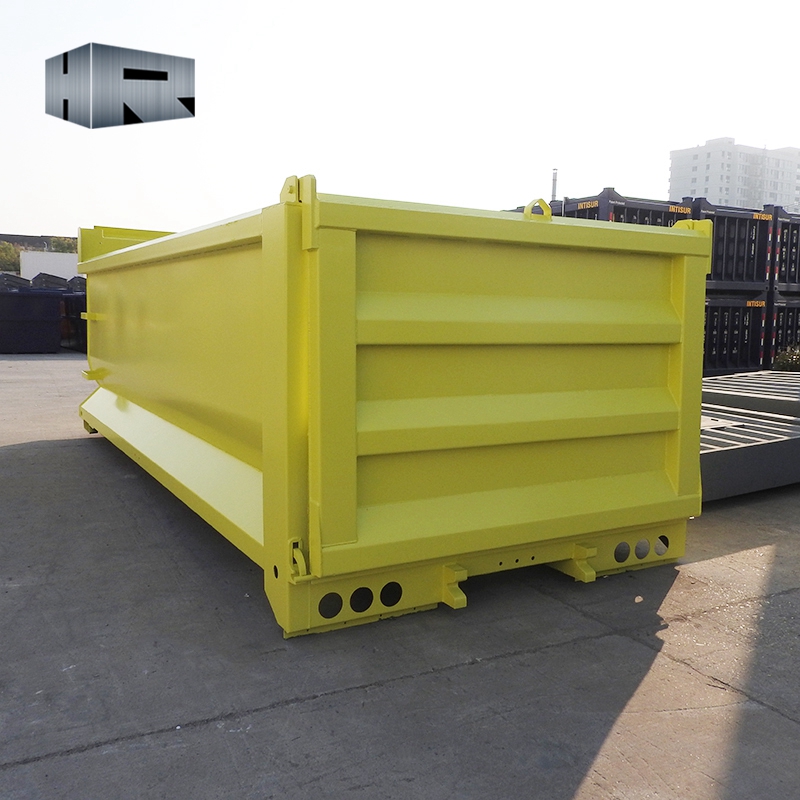
Skip bins are a convenient and efficient solution for waste management in various settings, including residential, commercial, and industrial areas. They provide a centralized location for the disposal of a wide range of waste materials, from household garbage to construction debris. However, the use of skip bins also comes with certain risks that need to be addressed to ensure the safety of individuals and the surrounding environment. This article will discuss the important safety precautions that should be taken when using skip bins.
1. Site Selection and Placement
Choosing the right location for the skip bin is crucial for safety. The site should be flat, stable, and away from any potential hazards such as power lines, water bodies, or unstable ground. The bin should be placed in an area that is easily accessible for both loading and unloading, but not so close to buildings or fences that it causes obstruction or damage. Additionally, the bin should be positioned in a way that does not impede pedestrian or vehicular traffic.
2. Proper Loading Techniques
Loading the skip bin correctly is essential to prevent accidents and injuries. Here are some key points to consider:
Weight Distribution: Avoid overloading the bin and ensure that the weight is evenly distributed. Overloading can cause the bin to tip over, posing a serious risk to people and property.Secure Loose Items: Make sure that all loose items are properly secured before placing them in the bin. Loose materials can shift during transportation, leading to spills or falling objects.Avoid Protruding Objects: Do not place long or sharp objects in a way that they protrude from the bin. These can cause damage to other vehicles or injure people when the bin is being emptied.Hazardous Materials: Be aware of the types of materials that are not allowed in skip bins. Hazardous waste such as chemicals, batteries, and asbestos should be disposed of separately according to local regulations.
3. Use of Personal Protective Equipment (PPE)
When working around skip bins, it is important to wear appropriate personal protective equipment to minimize the risk of injury. This may include:
Safety Gloves: Protect your hands from sharp objects, rough surfaces, and potential contaminants.Safety Boots: Provide support and protection for your feet, especially when lifting heavy items or walking on uneven ground.Safety Glasses: Shield your eyes from flying debris or dust.Hard Hats: If there is a risk of falling objects, wearing a hard hat is essential to protect your head.
4. Maintenance and Inspection
Regular maintenance and inspection of the skip bin are necessary to ensure its safe operation. Check the bin for any signs of damage, such as cracks, rust, or loose parts. Make sure that the lid closes properly and securely to prevent waste from spilling out. If any issues are found, report them immediately to the skip bin provider for repair or replacement.
5. Children and Pets
Keep children and pets away from skip bins at all times. The open top and heavy lid of the bin can pose a serious danger to curious children who may try to climb inside or play around it. Similarly, pets may accidentally fall into the bin or get injured by sharp objects inside. Consider using barriers or signs to restrict access to the area around the skip bin.
6. Fire Safety
Skip bins can be a potential fire hazard, especially if they contain flammable materials. To reduce the risk of fire:
Do not dispose of flammable substances such as gasoline, paint, or solvents in the skip bin.Keep the bin away from sources of ignition, such as open flames, heaters, or electrical equipment.If you notice any signs of smoke or fire coming from the bin, call the fire department immediately.
7. Environmental Considerations
Proper waste management is not only about safety but also about protecting the environment. Follow these guidelines to minimize the environmental impact of using skip bins:
Sort your waste and recycle as much as possible. Many items, such as paper, cardboard, glass, and plastics, can be recycled instead of ending up in a landfill.Avoid contaminating recyclable materials with non-recyclable waste.If you have large quantities of organic waste, consider composting it instead of putting it in the skip bin.
8. Communication with Skip Bin Providers
Effective communication with your skip bin provider is key to ensuring a safe and successful waste disposal experience. Here are some tips:
Clearly inform the provider about the type and quantity of waste you will be disposing of. This will help them determine the appropriate size of the skip bin and any special requirements.Ask about their safety policies and procedures, including how they handle hazardous waste and what measures they take to prevent accidents.Provide accurate contact information so that the provider can reach you in case of any issues or changes.
9. Emergency Preparedness
Despite taking all necessary precautions, emergencies can still occur. It is important to be prepared for unexpected situations. Have an emergency plan in place that includes:
Contact details for emergency services, such as the fire department, police, and ambulance.Instructions on how to evacuate the area in case of a fire or other dangerous situation.Knowledge of how to shut off utilities, such as electricity or gas, if necessary.
10. Training and Education
Ensure that everyone who will be using or working around the skip bin is properly trained and educated on safety procedures. This includes understanding the risks associated with skip bins, knowing how to load and unload waste safely, and being familiar with emergency protocols. Regular training sessions can help reinforce these safety practices and keep everyone up to date with any changes in regulations or procedures.
Conclusion
Using skip bins for waste disposal is a convenient and practical solution, but it must be done with caution and adherence to safety guidelines. By following the safety precautions outlined in this article, you can minimize the risks associated with skip bins and contribute to a safer and more environmentally friendly waste management system. Remember, safety should always be the top priority when dealing with any type of waste disposal.



 電話
電話
コメント
(0)